The Allure of Risk and Reward
The dynamic interplay between risk and reward fundamentally drives the psychology of casino gaming. Players are often drawn to the thrill of potentially high rewards, which can trigger bursts of excitement and dopamine release within the brain. As they navigate this exciting landscape, many explore sports gambling, which offers an additional layer of intrigue beyond traditional casino games. This biochemical response reinforces the behavior, making players more likely to engage repeatedly, despite the inherent risks and odds often stacked against them.
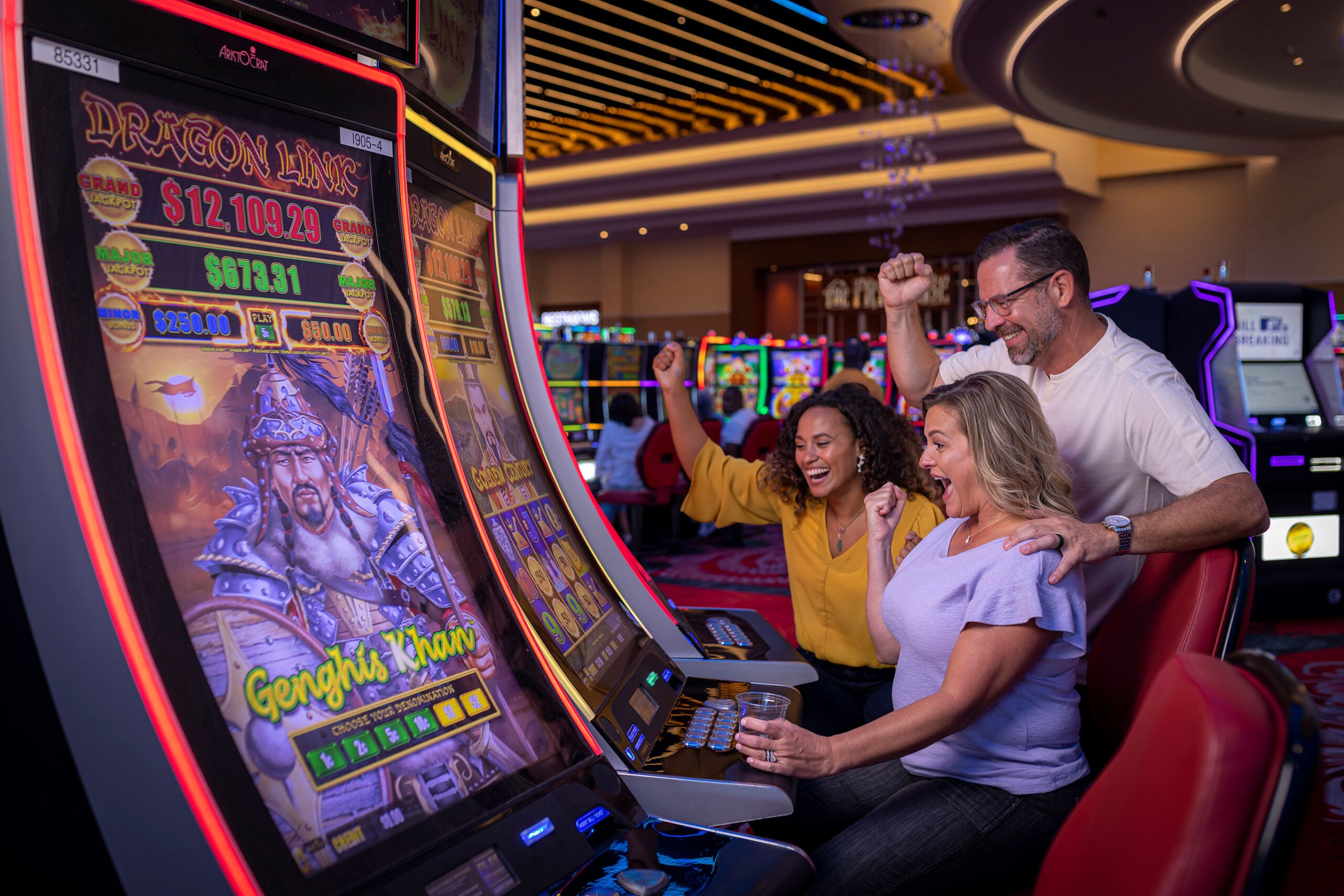
Moreover, the environment of a casino is meticulously designed to amplify this allure. The bright lights, sounds of winning machines, and the overall ambiance create a sensory-rich experience that can lead to impulsive decision-making. Players may find themselves underestimating the risks involved as they become enveloped in the excitement of the gambling experience.
Decision-Making Under Uncertainty
Casino gaming also presents players with complex decision-making scenarios where the outcomes are uncertain. The psychology behind how players approach these situations can vary widely. Some players adopt a rational strategy based on probabilities, while others may rely on intuition or gut feelings, often leading to erratic betting patterns.
This duality highlights the cognitive biases that can influence gambling behavior. For example, the gambler’s fallacy may lead individuals to believe that past outcomes affect future probabilities, leading them to make irrational betting decisions based on flawed logic. Understanding these cognitive biases is crucial for both players and casinos in shaping strategies and managing expectations.
The Impact of Emotion on Gaming Choices
Emotional states play a significant role in the strategies players employ at casinos. High levels of stress, joy, or even frustration can significantly sway decision-making processes. For instance, a player riding a hot streak may become overly confident, increasing their bet sizes based on an inflated sense of invincibility.
Conversely, those in a negative emotional state, such as disappointment after losses, may chase their losses with reckless betting strategies, hoping to recover what they have lost. This emotional rollercoaster contributes to a cycle of behavior that can perpetuate gambling addiction and ultimately lead to detrimental financial decisions.
Social Influences in Casino Environments
The social aspect of casino gaming cannot be overlooked. Many players engage in gaming not just for the thrill of the game itself but for the social interactions that accompany it. Group dynamics can heavily influence decision-making and gameplay strategies. Peer pressure may encourage higher bets or riskier strategies, as players seek validation and excitement from their companions.
Additionally, the communal atmosphere of table games fosters a shared experience that can enhance the enjoyment of gambling. This social reinforcement can make players more inclined to adopt certain strategies seen as popular or successful among peers, further complicating the psychological landscape of casino gaming.
Accessing Valuable Insights
Understanding the psychology behind casino gaming strategies provides players with essential insights into their behavior and decision-making processes. By recognizing the influences of risk, emotion, and social dynamics, individuals can approach gaming with a more informed perspective, ultimately enhancing their overall experience.
The website serves as a valuable resource for exploring these concepts in-depth, offering articles, tips, and discussions about casino gaming strategies and psychology. Such insights can empower players to make wiser choices, fostering a more responsible and enjoyable gambling journey.